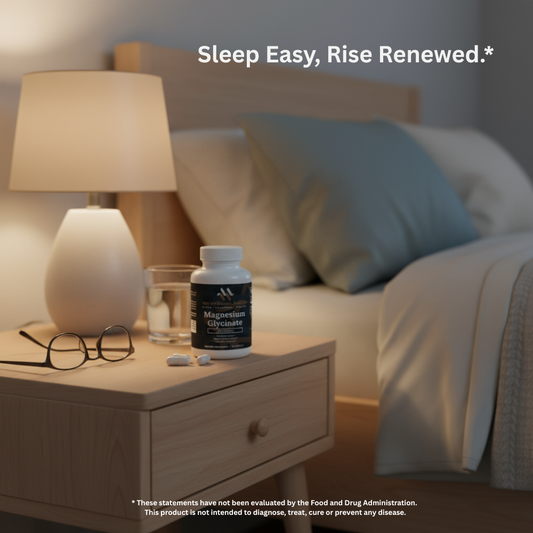
Finding restful, restorative sleep can be challenging in our fast-paced world, but the right magnesium supplement can make a significant difference. Magnesium plays a crucial role in over 300 biochemical reactions in the body, including those that regulate sleep-wake cycles, nervous system function, and muscle relaxation. Research shows that magnesium deficiency is surprisingly common, affecting up to 50% of adults, and this deficiency is often linked to sleep difficulties, restless legs, nighttime muscle cramps, and an inability to fully relax at bedtime. Our carefully curated collection features premium magnesium supplements specifically selected for their sleep-supporting properties, with a focus on highly bioavailable forms like magnesium glycinate that work gently and effectively. Whether you're struggling with difficulty falling asleep, frequent nighttime awakenings, or simply want to enhance your sleep quality, you'll find science-backed solutions that address the root causes of sleep disruption. We've also included complementary supplements that work synergistically with magnesium—such as adaptogenic herbs for stress management and nutrients that support your body's natural relaxation pathways. Each product in this collection has been chosen for its quality, purity, and effectiveness, helping you establish the foundation for consistently restful nights and energized mornings.
What should you look for in a magnesium supplement for sleep?
When selecting a magnesium supplement specifically for sleep support, prioritize the form of magnesium, bioavailability, and purity. Magnesium glycinate stands out as the premier choice for sleep due to its chelated structure, which bonds magnesium to the amino acid glycine—itself a calming neurotransmitter. This combination enhances absorption while minimizing the laxative effects common with other forms like magnesium oxide or citrate. Look for supplements that provide 200-400mg of elemental magnesium per serving, are third-party tested for purity, and free from unnecessary fillers, artificial colors, or allergens. The best formulations are manufactured in GMP-certified facilities and clearly state the specific form of magnesium on the label. Additionally, consider whether the supplement includes complementary ingredients that support the body's stress response and circadian rhythm, as magnesium works synergistically with other calming nutrients to promote restful sleep.
Frequently Asked Questions
What type of magnesium is best for sleeping?
Magnesium glycinate is widely considered the best type of magnesium for sleep support. This form combines magnesium with the amino acid glycine, creating a chelated compound that offers superior bioavailability and absorption compared to other forms. Glycine itself acts as an inhibitory neurotransmitter that promotes relaxation and helps regulate body temperature for optimal sleep. Unlike magnesium citrate or oxide, glycinate is gentle on the digestive system and rarely causes the laxative effects that can disrupt sleep. Magnesium glycinate supports the production of GABA (gamma-aminobutyric acid), the brain's primary calming neurotransmitter, while also regulating melatonin production and reducing cortisol levels. This multi-faceted approach makes it particularly effective for those experiencing sleep difficulties related to stress, muscle tension, or an overactive mind at bedtime.
Which magnesium is best for sleep, glycinate or citrate?
Magnesium glycinate is superior to magnesium citrate for sleep purposes, though both have their merits. Glycinate's chelated structure allows for better absorption without the digestive side effects that citrate commonly produces. Magnesium citrate has a natural laxative effect, which can be beneficial for those with constipation but potentially disruptive to sleep if it causes nighttime bathroom trips. The glycine component in magnesium glycinate provides additional calming benefits by supporting neurotransmitter function and promoting muscle relaxation. Citrate is more rapidly absorbed and can quickly raise magnesium levels, making it useful for acute deficiency, but glycinate provides more sustained, gentle support ideal for nightly use. For individuals seeking sleep improvement specifically, glycinate's combination of high bioavailability, minimal side effects, and synergistic calming properties makes it the clear winner. However, if you struggle with both constipation and sleep issues, citrate taken earlier in the day might complement glycinate taken before bed.
What is better for sleep, magnesium glycinate or magnesium threonate?
Both magnesium glycinate and magnesium threonate are excellent for sleep, but they work through slightly different mechanisms. Magnesium glycinate is the more popular and cost-effective choice, offering excellent bioavailability and the added benefit of glycine's calming properties. It effectively relaxes muscles, reduces nervous tension, and supports overall sleep quality. Magnesium threonate (L-threonate) has the unique ability to cross the blood-brain barrier more efficiently, potentially offering superior cognitive benefits and supporting brain magnesium levels more effectively. This makes threonate particularly beneficial for those whose sleep issues are related to racing thoughts, anxiety, or age-related cognitive concerns. However, threonate is typically more expensive and requires higher doses to achieve the same elemental magnesium content. For most people seeking sleep support, magnesium glycinate provides the best balance of effectiveness, tolerability, and value. Threonate may be worth considering if you've tried glycinate without sufficient results or if you're specifically targeting cognitive function alongside sleep improvement.
What is the downside of magnesium glycinate?
While magnesium glycinate is generally well-tolerated and considered one of the safest forms of magnesium supplementation, there are a few potential downsides to consider. The primary consideration is cost—glycinate is typically more expensive than other forms like oxide or citrate due to its chelation process. Some individuals may experience mild drowsiness, which is actually desired for sleep support but could be problematic if taken during the day. In rare cases, people may experience mild digestive upset, though this is far less common than with other magnesium forms. Those with kidney disease should exercise caution with any magnesium supplement, as impaired kidney function can lead to magnesium accumulation. Additionally, magnesium can interact with certain medications, including antibiotics, bisphosphonates, and some blood pressure medications, so consultation with a healthcare provider is important if you're taking prescription drugs. Finally, the glycine component, while generally beneficial, may cause mild nausea in sensitive individuals when taken on an empty stomach. Starting with a lower dose and taking it with food can minimize this effect.
How much magnesium glycinate should I take for sleep?
The optimal dose of magnesium glycinate for sleep typically ranges from 200-400mg of elemental magnesium, taken 30-60 minutes before bedtime. It's important to distinguish between the weight of the magnesium glycinate compound and the actual elemental magnesium content—labels should clearly state both. Most adults can safely start with 200mg of elemental magnesium and gradually increase to 400mg if needed, based on individual response. Factors affecting your ideal dose include your current magnesium status, body weight, dietary magnesium intake, and the severity of sleep issues. Those new to magnesium supplementation should start at the lower end to assess tolerance. The recommended dietary allowance (RDA) for magnesium is 310-420mg daily for adults, but many people don't meet this through diet alone. Since magnesium glycinate is highly bioavailable, you may need less than with other forms. It's worth noting that magnesium works cumulatively, so consistent nightly use for 2-4 weeks is often necessary to experience full benefits. Exceeding 400mg from supplements without medical supervision isn't recommended, as excessive magnesium can cause diarrhea and other side effects.